
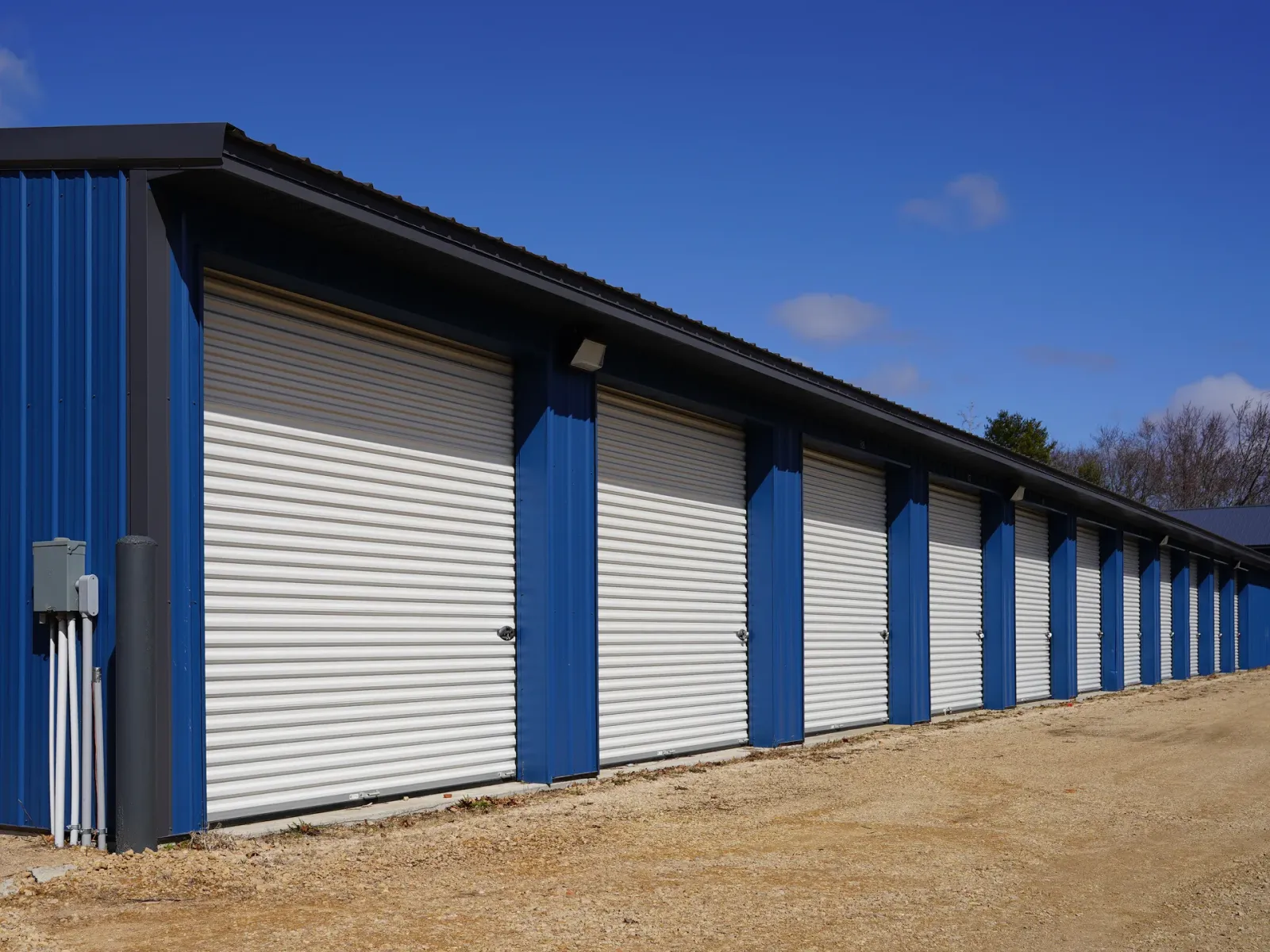
Commercial doors get used hard. A few minutes of consistent checks can prevent “door down” surprises that slow shipping, block bays, or create safety issues for staff.
Quick takeaways
- Prioritize safety systems, balance, and track/roller health—those failures create the biggest downtime.
- Log what you see (noise, drag, uneven gaps). Trend lines matter more than one-off issues.
- If a door feels heavy, binds, or “jumps,” stop operating it and schedule service—don’t fight it with the opener.
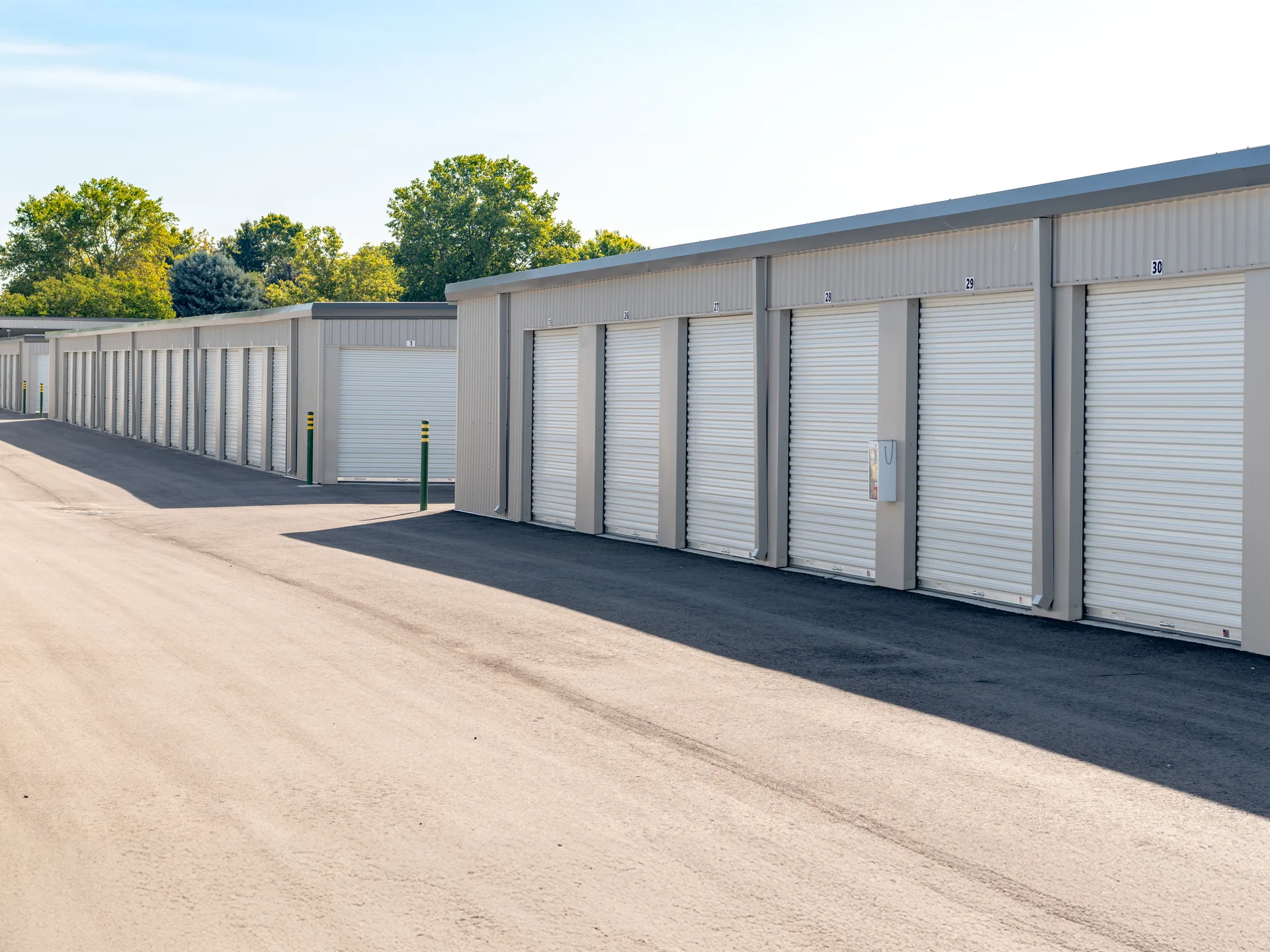
Monthly walk-around (5–10 minutes per door)
1) Listen and watch one full cycle
- Smooth travel: the door should move evenly without jerking.
- Noise changes: new grinding, scraping, or loud popping is a red flag.
- Uneven gaps: look at the bottom seal as it closes—uneven contact can indicate a track or cable issue.
2) Photo-eyes and safety devices
If your door uses photo-eyes or other safety sensors, verify they’re clean, aligned, and mounted securely. Dust, bumped brackets, or sun glare can cause intermittent failures.
3) Tracks, rollers, and hinges
- Tracks should be free of debris and not visibly bent.
- Rollers should roll—not slide or wobble.
- Hinges should be intact with fasteners tight (but don’t overtighten stripped hardware).
4) Cables and bottom brackets (visual only)
Look for fraying, rust, or strands separating. Do not loosen bottom brackets or cable attachments—those points can be under high tension.
Quarterly checklist (simple preventative care)
Lubrication (use the right product)
Lightly lubricate moving metal-to-metal points that are designed to be lubricated (roller bearings, hinges, bearings). Avoid over-spraying tracks; a greasy track attracts grit and accelerates wear.
Balance and lift check
Commercial doors that are out of balance put extra strain on hardware and openers. If the door feels heavier than normal or doesn’t hold position when stopped, it likely needs adjustment.
Fasteners, struts, and panel condition
Vibration loosens hardware over time. Check for:
- Loose bolts at hinges and brackets
- Cracked hinges or worn pivot points
- Dents that cause rubbing or binding
- Struts that are loose or shifting
Weather seals and perimeter gaps
Replace worn bottom seals and perimeter weatherstripping before they tear off and get pulled into rollers or tracks.
What to log (this makes maintenance “real”)
Track these in a simple spreadsheet per door:
- Door ID/location
- Observations (noise, drag, uneven closing)
- Any service performed
- Repeat issues (same hinge, same corner, same roller)
This helps a technician diagnose faster and helps you decide when proactive replacement of wear items makes sense.
If you track cycles or shift usage, add that too. A door that runs all day should be inspected more often than a rarely used bay.
Common commercial failure points (and what they look like)
Rollers/bearings wearing out
Symptoms: increased noise, wobble, vibration, uneven travel.
Track alignment drift
Symptoms: door rubs, binds, or “leans” slightly as it moves.
Cable wear
Symptoms: fraying near drums or bottom brackets; uneven door height when closed.
Spring fatigue / balance changes
Symptoms: opener strains; door feels heavier; inconsistent lifting.
When to stop and call a pro
Schedule service right away if you notice:
- The door is off-track, binds, or won’t fully close
- Visible cable fraying, damage at brackets, or a door that looks uneven
- The opener is straining, slipping, or reversing without a clear reason
For commercial overhead door service, see our Commercial Doors service or contact us to schedule.
Practical next step: set a maintenance rhythm
If you manage multiple doors, start with:
- Monthly walk-around + log
- Quarterly preventative service
- Rapid repair routing for “door down” emergencies
If your facility is in our service area, NK Garage Doors can help you keep doors reliable and safer to operate—without waiting for a failure. For urgent issues (stuck/off-track), visit Garage Door Repair.