“Premium” is not a standardized garage-door specification. One seller may use the word for a thicker panel, another for a custom finish, and another for added windows or opener controls. Compare the exact product and installation scope instead of relying on the label.
Start With the Opening and Daily Use
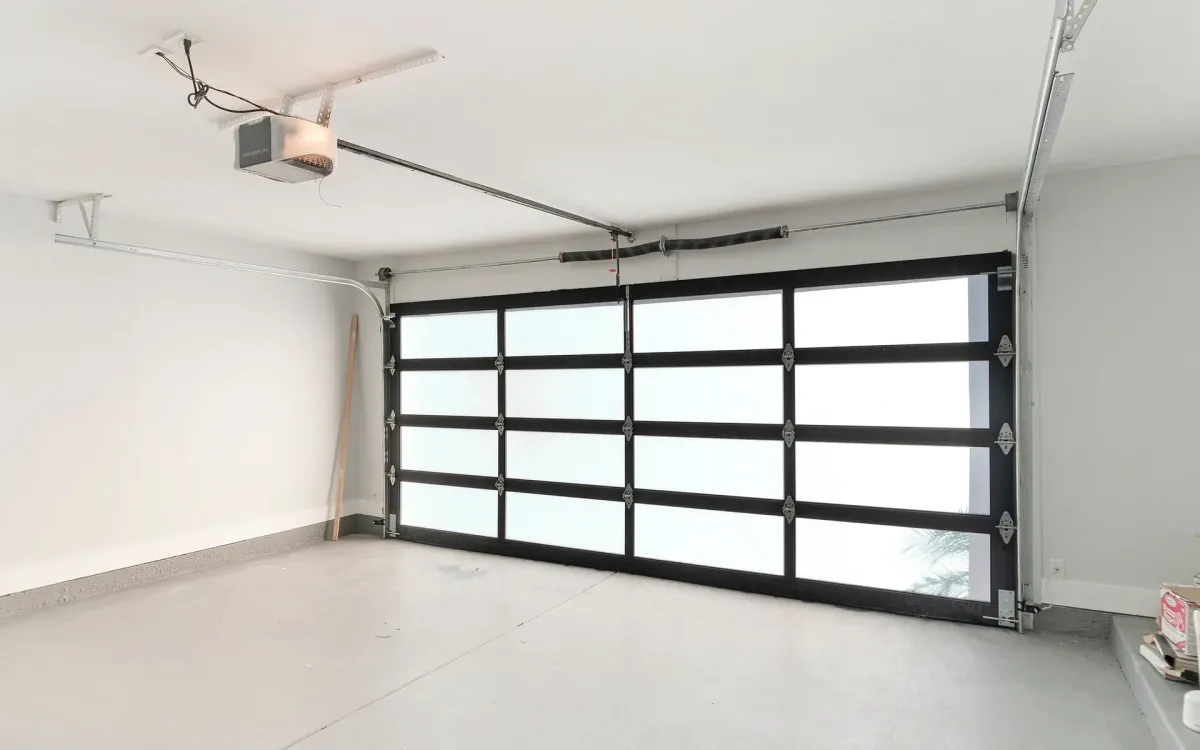
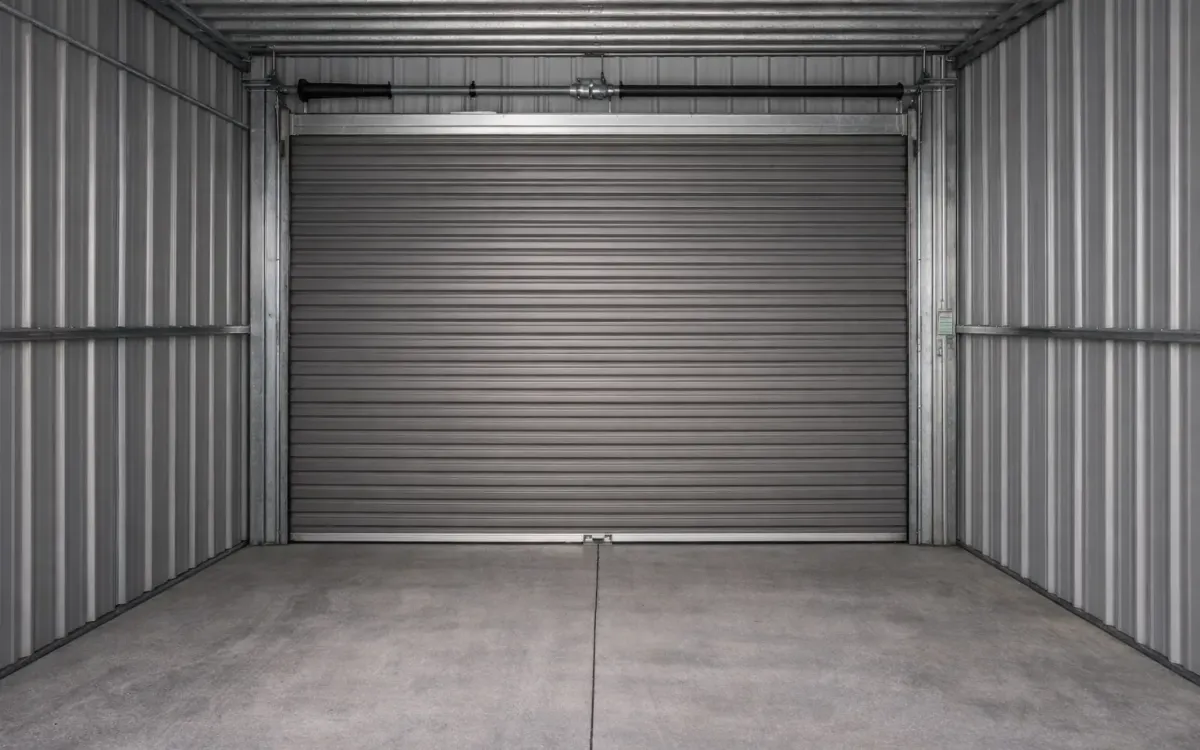
The useful choices depend on the existing opening, headroom, track layout, door size, opener compatibility, and how the garage is used. A workshop, an attached garage, and a detached storage building may call for different panel construction, sealing, windows, and controls.
Do not measure or inspect springs and cables yourself. A service request can include safe-to-observe details such as the approximate door size, visible panel condition, opener model, and photos taken from the floor.
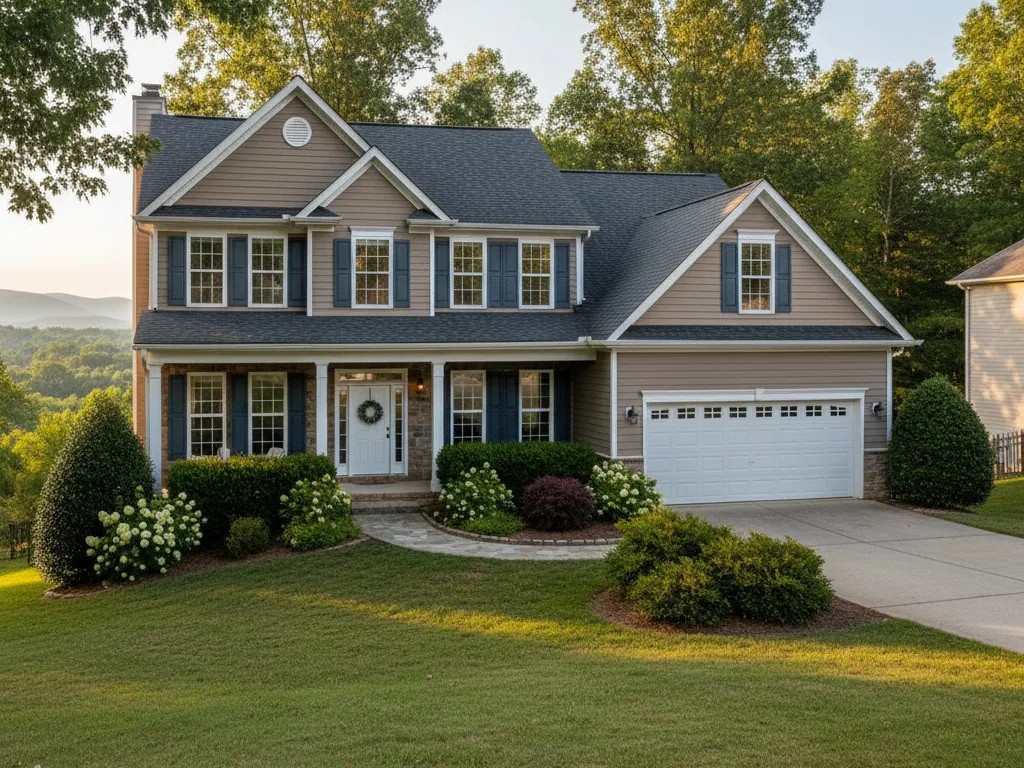
Compare Product Specifications
Ask for the manufacturer and model so the quoted features can be checked in the product documentation.
- Panel construction: single-, double-, or triple-layer construction
- Insulation: published R-value or U-factor for the exact model
- Finish: color, overlay, glass, and maintenance instructions
- Wind-load option: rating and required hardware when the opening needs it
- Hardware: track, rollers, hinges, and spring system included in the scope
- Opener compatibility: door weight, travel, controls, and safety features
Separate Appearance From Operating Needs
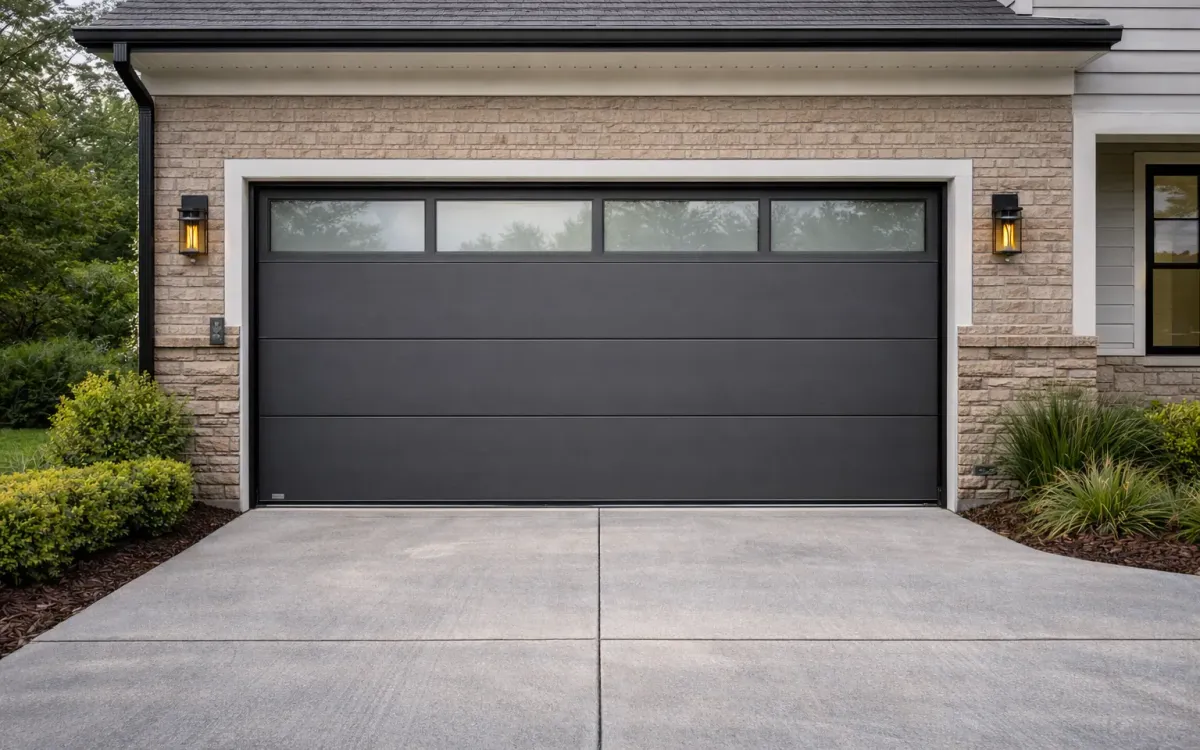
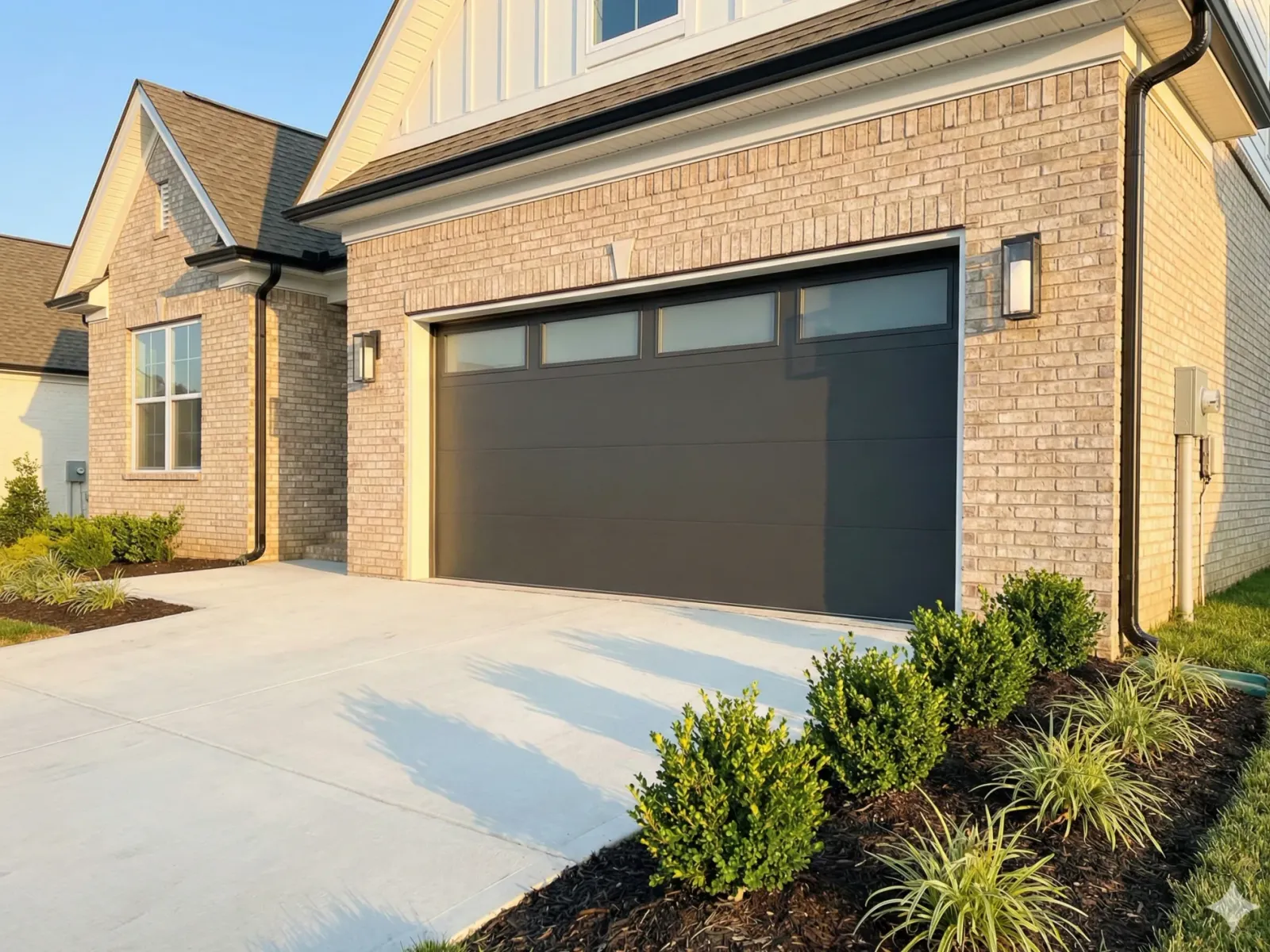
Windows, overlays, decorative hardware, and custom colors change the appearance. Panel construction, seals, balance, tracks, and opener compatibility affect operation. Keeping those decisions separate makes it easier to compare quotes without assuming that a visual upgrade includes a mechanical one.
Treat Insulation as a Whole-Garage Decision
Panel insulation changes heat transfer through the door, but the result also depends on air leakage, walls, ceiling, ventilation, sun exposure, and whether the garage is conditioned. Compare published door specifications and inspect the perimeter and bottom seals. Do not infer a utility-bill result from R-value alone.
Ask for Written Warranty and Scope Details
Warranty terms vary by manufacturer, product, component, and installer. Before accepting a quote, ask for the written coverage, exclusions, registration steps, and who handles a claim. The quote should also identify removal, disposal, track or opener work, finish choices, and any electrical work that is or is not included.
Pair the Door With the Right Opener
A replacement door may change weight or travel requirements. Confirm that the opener and supporting hardware are compatible rather than assuming an existing opener should remain. Battery backup, keypad access, lighting, and connected controls are separate choices with their own product requirements.
Prepare a Comparable Request
Send the complete address, safe-to-take photos, approximate opening size, preferred style, and how the garage is used. Ask that each option identify the exact product, included labor, excluded work, payment terms, and written warranty information. That creates a useful comparison without relying on generic resale, savings, lifespan, or performance promises.
Request product and installation options for the specific opening.