Check 1
Listen before you touch anything
Grinding, popping, scraping, delayed movement, or a door that shakes can point to track, roller, opener, or spring problems.
A quick homeowner checklist for spotting garage door issues early, documenting what changed, and knowing when the repair should be handled by a technician.
Start with the door closed, keep people and vehicles clear, and inspect from a safe distance. Do not loosen springs, cables, drums, or bottom brackets.
 5.0 8 reviews
Check 1
Grinding, popping, scraping, delayed movement, or a door that shakes can point to track, roller, opener, or spring problems.
Check 2
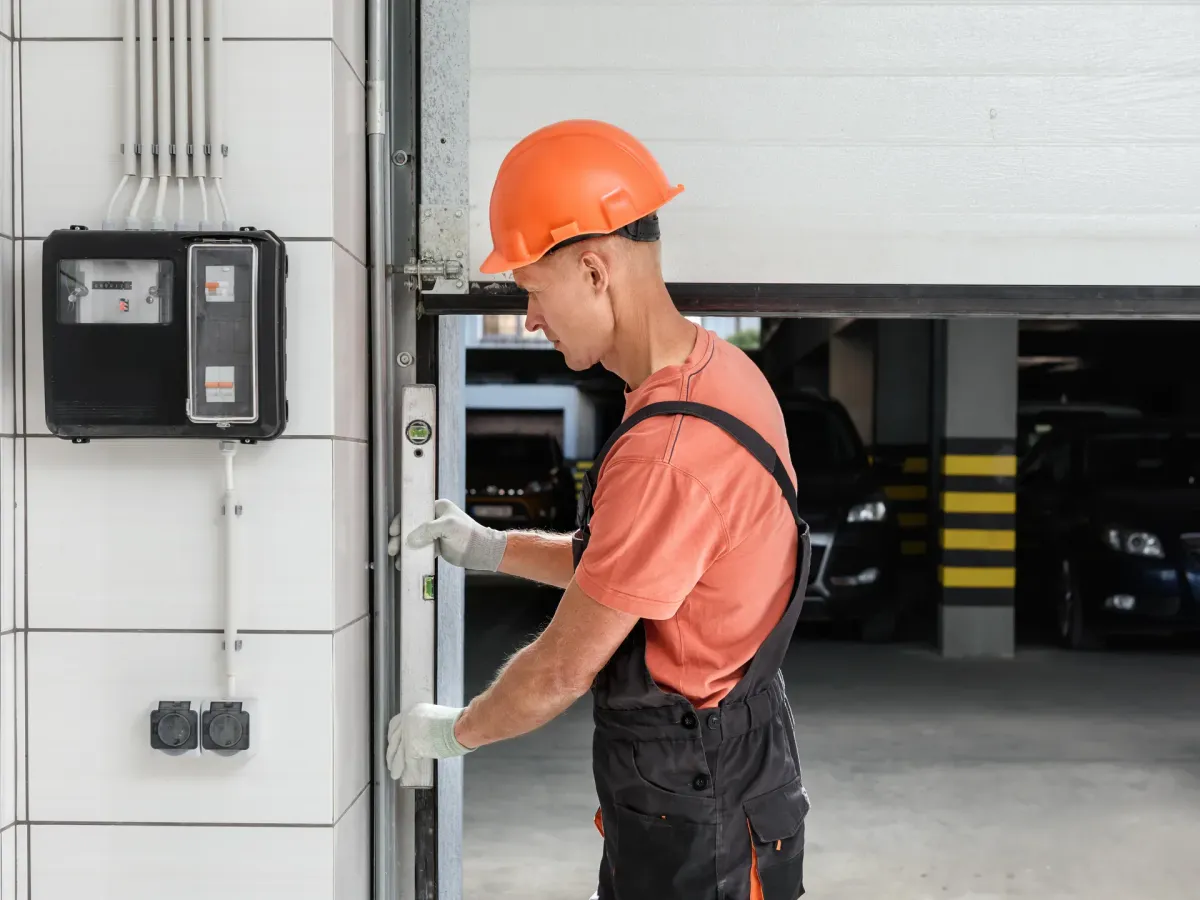
Check for visible bends, loose fasteners, rust, debris, or rollers that no longer sit cleanly in the track.
Check 3
Gaps, daylight, brittle seals, and water marks can affect comfort, pests, and energy performance.
Check 4
Watch for hesitation, reversed movement, remote issues, wall-button problems, or lights that flash after a failed close.
Check 5
High-tension springs and cables can be dangerous. If the door feels heavy, drops, or will not lift evenly, schedule service.
Check 6
Driveway gates, fencing, storage, remodeling work, and vehicle access can all affect the right timing for garage door service.
These are good stopping points for a DIY inspection. Take photos from a safe distance and schedule help instead of forcing the door.
The door is off track or hanging unevenly.
A spring or cable appears broken.
The door slams, drops, or will not stay open.
The opener runs but the door does not move correctly.
The door hits the ground and reverses repeatedly.
A vehicle impact, storm, or forced entry damaged a panel or track.
Request service
Share your city, timing, photos, and what the door or opener is doing. We will review the details and confirm the best next step.