
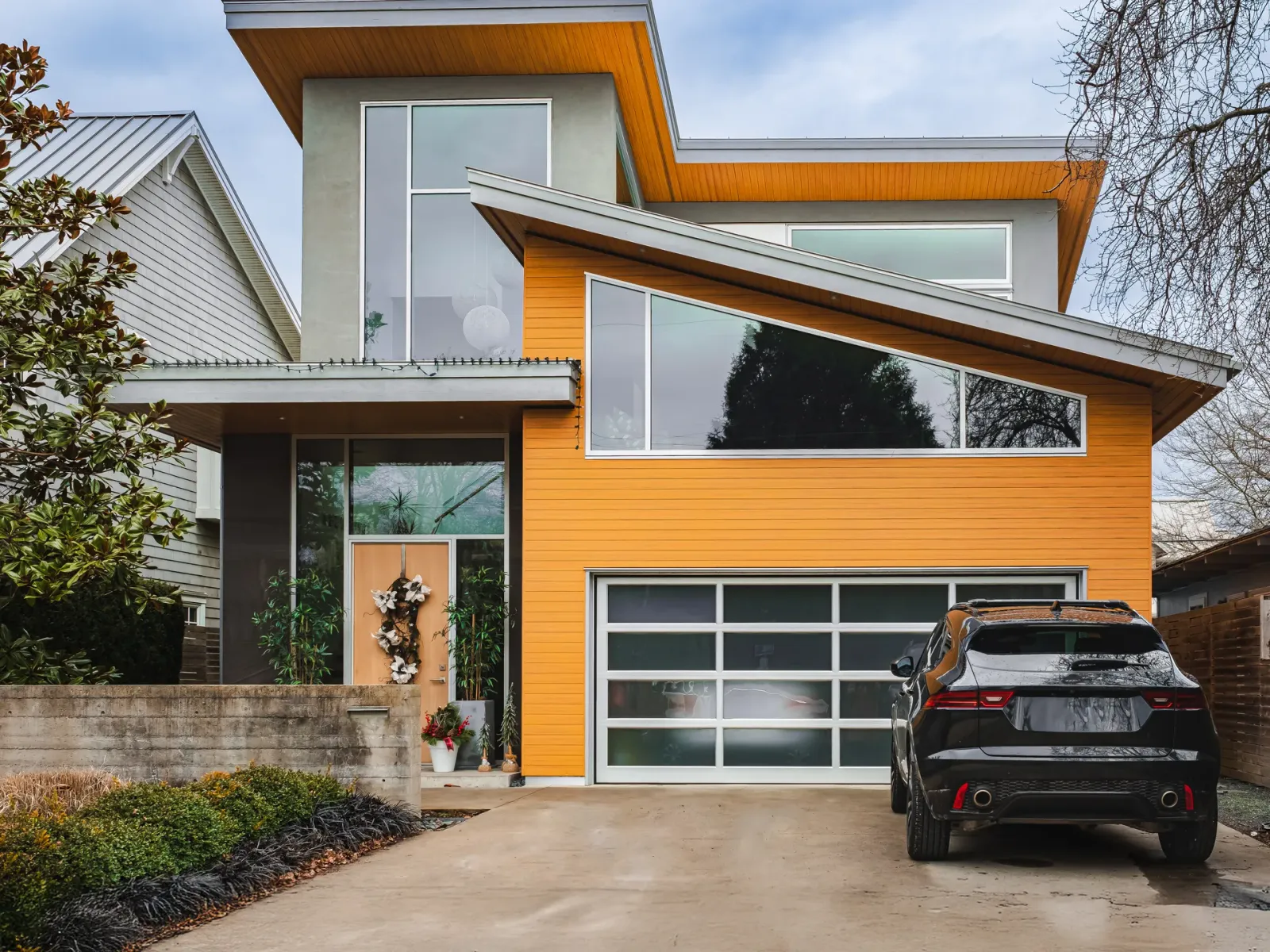
If your garage is attached to your home, your garage door plays a significant role in your home’s energy efficiency. An uninsulated or poorly insulated garage door can waste energy and increase your heating and cooling costs. Here’s how upgrading to an energy-efficient garage door can save you money.
Understanding R-Values
The R-value measures a material’s resistance to heat flow. Higher R-values indicate better insulation. In simple terms: more insulation generally helps slow temperature swings, which can matter a lot when your garage shares walls with living space.
Reduced Heating and Cooling Costs
An insulated garage door helps maintain more stable temperatures in your garage, reducing the amount of conditioned air that escapes and outside air that enters. This is particularly important if your garage shares walls with your home or if you have a room above the garage.
Improved Home Comfort
Better garage insulation means less temperature transfer to adjacent living spaces. If you have bedrooms, offices, or family rooms next to or above your garage, an insulated door helps maintain comfortable temperatures year-round. This is especially noticeable in extreme weather conditions.
Protection for Temperature-Sensitive Items
Many homeowners store items in their garage that are sensitive to temperature fluctuations, such as paint, electronics, tools, and vehicles. An insulated garage door helps protect these items from extreme heat and cold, potentially extending their lifespan and reducing replacement costs.
Increased Home Value
Energy-efficient improvements, including insulated garage doors, can increase your home’s value and appeal to potential buyers. Many homebuyers prioritize energy efficiency, and an insulated garage door is a visible indicator of a well-maintained, modern home.
Types of Insulation
Garage doors use different insulation materials, each with varying R-values and benefits:
- Polyurethane foam insulation: typically the most rigid and highest-performing option.
- Polystyrene insulation: a common, cost-effective insulating panel option.
- Double-layer construction: often improves rigidity and can help reduce vibration and noise.
Return on Investment
Insulated doors usually cost more than non-insulated doors, but many homeowners still choose them for the comfort, quieter operation, and “solid door” feel. The financial payoff depends on your home layout, garage attachment, air sealing, and how much your HVAC is affected by garage temperature swings.
Additional Benefits
Beyond energy savings, insulated garage doors offer other advantages:
- Noise reduction - Insulation helps dampen street noise and makes door operation quieter
- Durability - Insulated doors are typically more rigid and resistant to dents
- Security - Better construction often means improved security features
- Curb appeal - Modern insulated doors enhance your home’s exterior appearance
Choosing the Right Door
When selecting an energy-efficient garage door, focus on the whole system:
- Attachment: attached garages benefit most from insulation and sealing.
- Air sealing: gaps at the bottom seal and perimeter can undo “good insulation.”
- Usage: workshops and frequently used garages benefit from comfort upgrades.
- Hardware: a quieter, smoother door often comes from better rollers, hinges, and proper balance.
If you’re comparing door types and styles, start with How to Choose a New Garage Door in Tennessee and then explore Products.
FAQs
Do I need an insulated door if my garage is detached?
Not always. Many detached garages do fine with a non-insulated door—unless you spend a lot of time in the space, store temperature-sensitive items, or want quieter operation and a more rigid door feel.
Will a new door fix drafts by itself?
Insulation helps, but drafts usually come from gaps. The bottom seal and perimeter weatherstripping matter a lot, and proper installation makes a noticeable difference.
Conclusion
Investing in an energy-efficient garage door is a smart financial decision that pays dividends through reduced energy costs, improved comfort, and increased home value. If you’re considering upgrading your garage door, contact NK Garage Doors for expert guidance and professional installation in Cleveland, Chattanooga, and surrounding communities.