
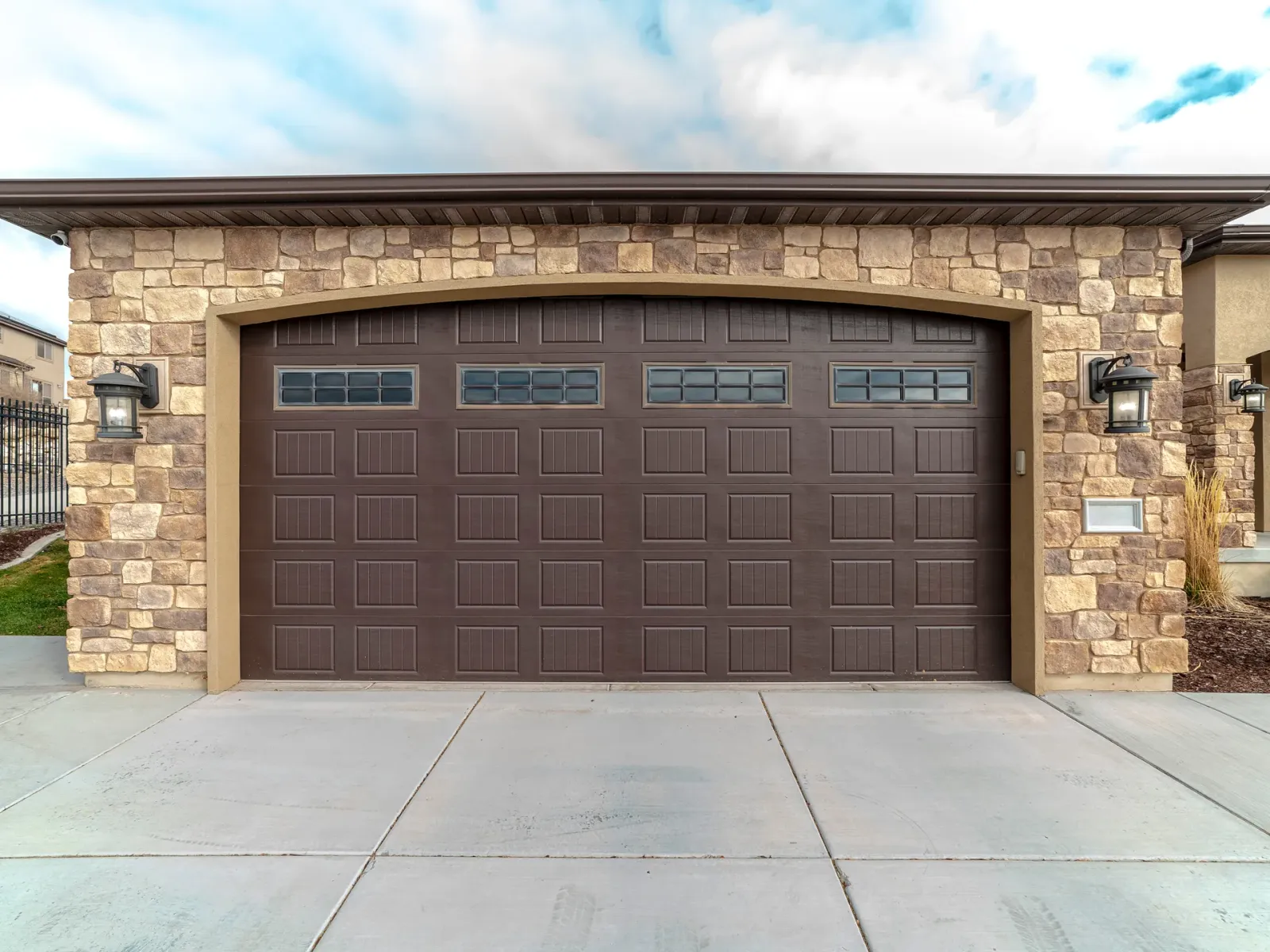
Garage door insulation isn’t just about “saving energy.” For many Tennessee homes, the bigger wins are comfort in rooms next to the garage, less draftiness, and a door that feels quieter and more solid during operation.
Quick takeaways
- If your garage is attached (or there’s a room above it), insulation + sealing usually matters a lot more.
- A well-insulated door still needs good weather seals—gaps can undo the benefits.
- “Insulated” can describe different constructions, so focus on how the door is built and installed.
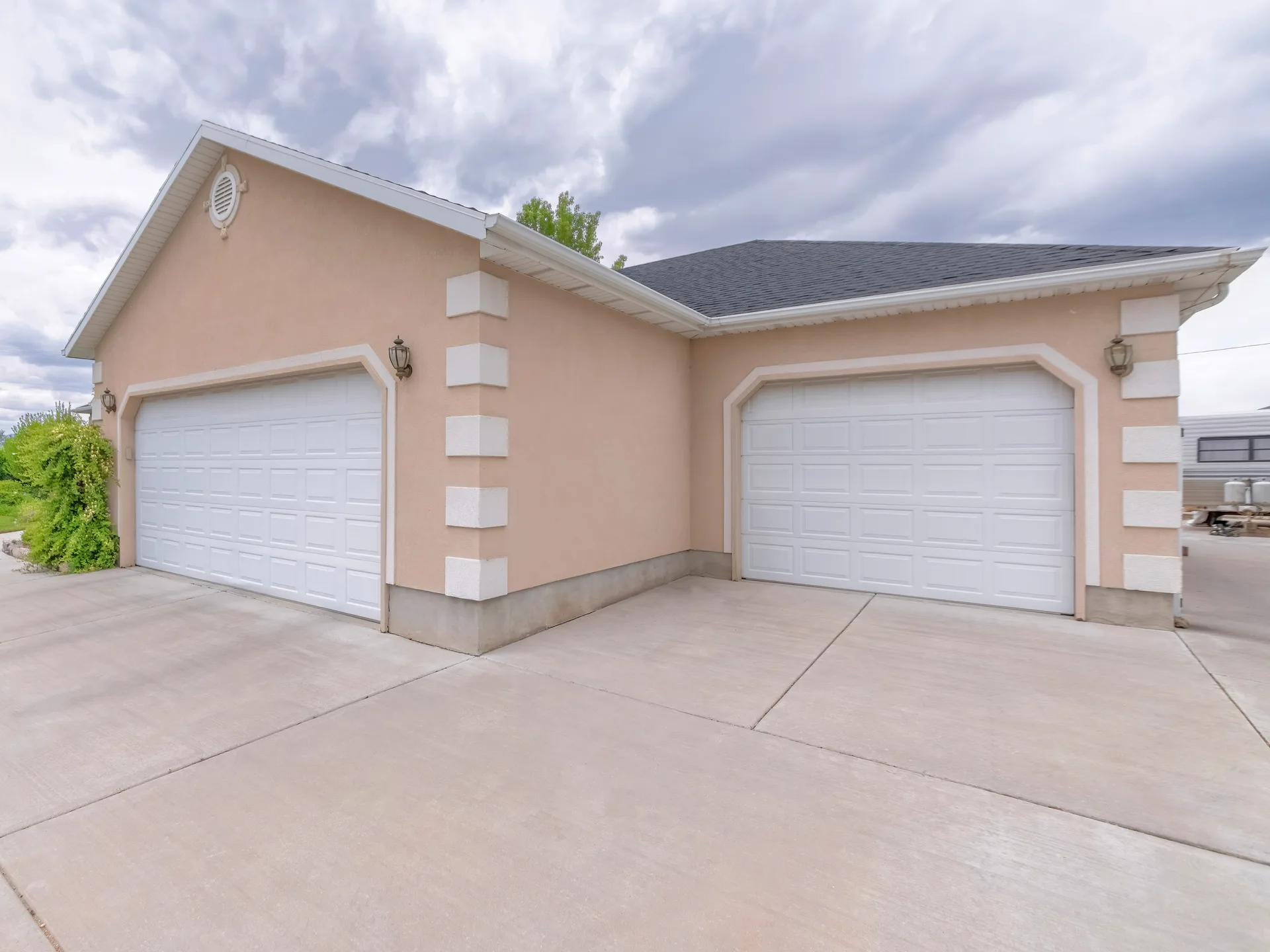
Step 1: Decide how much insulation you actually need
Attached garages (most important)
If your garage shares walls with living space, insulation can help:
- Reduce temperature swings in adjacent rooms
- Improve comfort near shared walls
- Cut down on road noise and door vibration
Detached garages (sometimes optional)
Detached garages often do fine with less insulation—unless you:
- Spend a lot of time working in the garage
- Store temperature-sensitive items
- Want quieter operation and a more rigid-feeling door
Related: How Energy-Efficient Garage Doors Help With Comfort
Step 2: Insulation works best when sealing is handled
Insulation slows heat transfer, but air leaks are what make a garage feel drafty. Pay attention to:
- Bottom seal contact along the full width
- Side and top weatherstripping fit
- Door alignment (a crooked door won’t seal evenly)
If your door binds, sits unevenly, or you see daylight around the edges, start with service first:
Step 3: Understand the common door constructions
You’ll see insulation described in a few ways. Here’s what matters at a practical level:
Uninsulated (single-layer)
Typically lighter and simpler. Can be a fine fit for detached garages, but may feel louder and less rigid.
Insulated (multi-layer / insulated core)
Insulated doors usually feel more “solid” and can reduce vibration and rattling. They’re often preferred for attached garages and for homeowners who want quieter operation.
Construction quality still matters
Even a well-insulated door can feel rough if:
- The hardware is worn
- The door isn’t balanced properly
- The track is misaligned
If your door feels heavy or the opener struggles, check this first: Garage Door Spring Replacement Guide
Step 4: Windows, glass, and insulation—tradeoffs to consider
Windows can make a door look great and brighten the garage, but they also change how the door performs. If insulation is a top priority, ask about:
- Window placement (top row vs. larger sections)
- Privacy/frosted options (when available)
- How the door seals around window sections
For a style-first overview, see: How to Choose a New Garage Door in Tennessee
Step 5: Installation details that impact real comfort
Two identical doors can perform very differently depending on setup. Good installation focuses on:
- Smooth travel without binding
- Even seal contact at the floor and sides
- Proper balance (so the opener isn’t fighting the door)
If you want insulation plus a modern feel and smooth operation, start here:
FAQs
Will insulation make my garage “conditioned space”?
Not by itself. Insulation helps reduce temperature swings, but garages still exchange air through cracks, vents, and opening cycles. Think of insulation as improving comfort and reducing extremes—not turning the garage into a fully conditioned room.
Does insulation make the door quieter?
Often, yes—especially when paired with proper hardware and balance. Much of “noise” is vibration, and more rigid doors usually vibrate less.
What if I have gaps around the door?
Start with alignment and seals. If the door doesn’t close evenly, weatherstripping alone may not fix it. A quick inspection can identify whether the issue is track alignment, worn rollers, or balance.
Next step
If you want help choosing an insulated door that matches your home and how you use the garage, send a few photos and your city and we’ll point you in the right direction. Start here: Contact.